How to edit this page
Each section is a separate “Raw HTML” block; click its pencil icon to edit.
- trg-leader: Cristina’s bio and links.
- trg-team: current members. Each person is one card between the “MEMBER n” and “END MEMBER n” labels, and every field is labelled. Step-by-step instructions are at the top of each block. To move someone to former members, cut their card and paste it into trg-former.
- trg-former: former member cards and the summer students list.
- trg-gallery: photos, newest first. The first 8 are shown until “Show all” is clicked.
- trg-join: positions. Change a position’s badge between Open and Closed.
- trg-collab: one block per institution: logo, website and collaborator links.
Leave the Raw JS block at the bottom alone; it runs the card flips, the gallery button and the collaborator logo strip. Styling is in Appearance → Customize → Additional CSS, in the “TR Group” section.
Principal Investigator

Dr Cristina Trujillo
Dr Cristina Trujillo obtained her PhD in Theoretical and Computational Chemistry from the Universidad Autónoma de Madrid (Spain) in 2008, graduating Cum Laude. Between 2008 and 2016, she held postdoctoral research positions at CSIC (Spain), the Czech Academy of Sciences (Prague), and Trinity College Dublin (Ireland). She subsequently worked as a Research Fellow at Trinity College Dublin before being appointed Assistant Lecturer at TU Dublin in 2018.
Read full bio
In 2019, Cristina was awarded a Science Foundation Ireland Starting Investigator Research Grant (SIRG), which enabled her to establish her independent research group at Trinity College Dublin. During this period, she received several distinctions, including being Highly Commended in the L’Oréal UNESCO Women in Science UK & Ireland Fellowship.
Since 2022, Cristina has been based at The University of Manchester, where she is currently Senior Lecturer in Computational and Theoretical Chemistry. Since 2025, she has served as Deputy Head of the Computational and Theoretical Chemistry Section and has played a leading role in departmental and university discussions on the use of artificial intelligence in research and education. In recognition of her expertise in this area, she was featured in the University of Manchester AI Campaign in 2025.
Cristina’s research focuses on computational organic chemistry, with particular interests in asymmetric catalysis, reaction mechanisms, catalyst design, machine learning for chemical discovery, and the study of non covalent interactions. Her group develops computationally guided approaches to understanding and predicting chemical reactivity and selectivity, with applications ranging from fundamental organic chemistry to challenges relevant to the pharmaceutical and chemical industries.
She has authored more than 100 peer reviewed publications and leads an internationally recognised research programme with collaborators across academia and industry. Cristina serves as Associate Editor of Organic & Biomolecular Chemistry (RSC), is a member of the ChemPhysChem Advisory Board, and serves on the committee of the RSC Theoretical Chemistry Group.
Current members
 Diana Bura
Phase-Transfer Catalysis
Since 2022
Click for bio ↻
 Tim Renningholtz
Machine learning to predict enantioselectivity
Since 2023
Click for bio ↻
 Ethan Lim
Transition-metal-free coupling reactions
Since 2023
Click for bio ↻
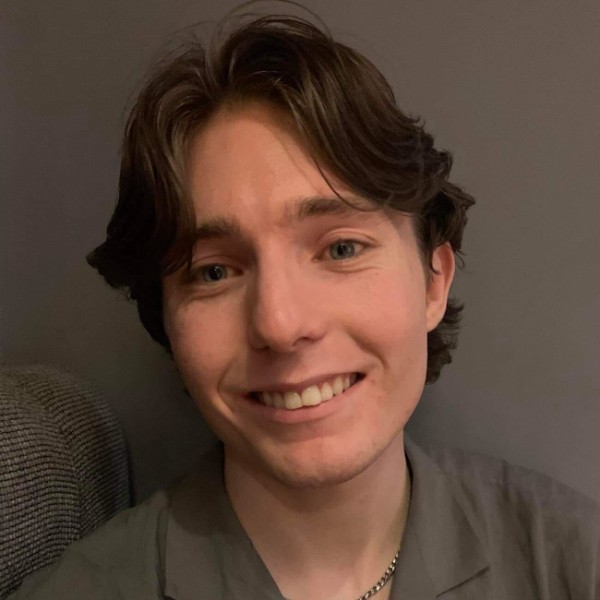 James O’Brien
Chalcogen-bond-based organocatalysis
Since 2023
Click for bio ↻
 Mauno Lius
Boron-containing molecules
Since 2023
Click for bio ↻
 Nikeel Cull
Developing 'Theoceptor' models for CYP450
Since 2024
Click for bio ↻
 Christian Malavasi
Data-driven Catalyst Design: Integrating Quantum Chemistry and Machine Learning
Since 2025
Click for bio ↻
 Shukriya Saher
Automated mechanistic studies in catalysis using quantum chemistry and machine learning
Since 2026
Click for bio ↻
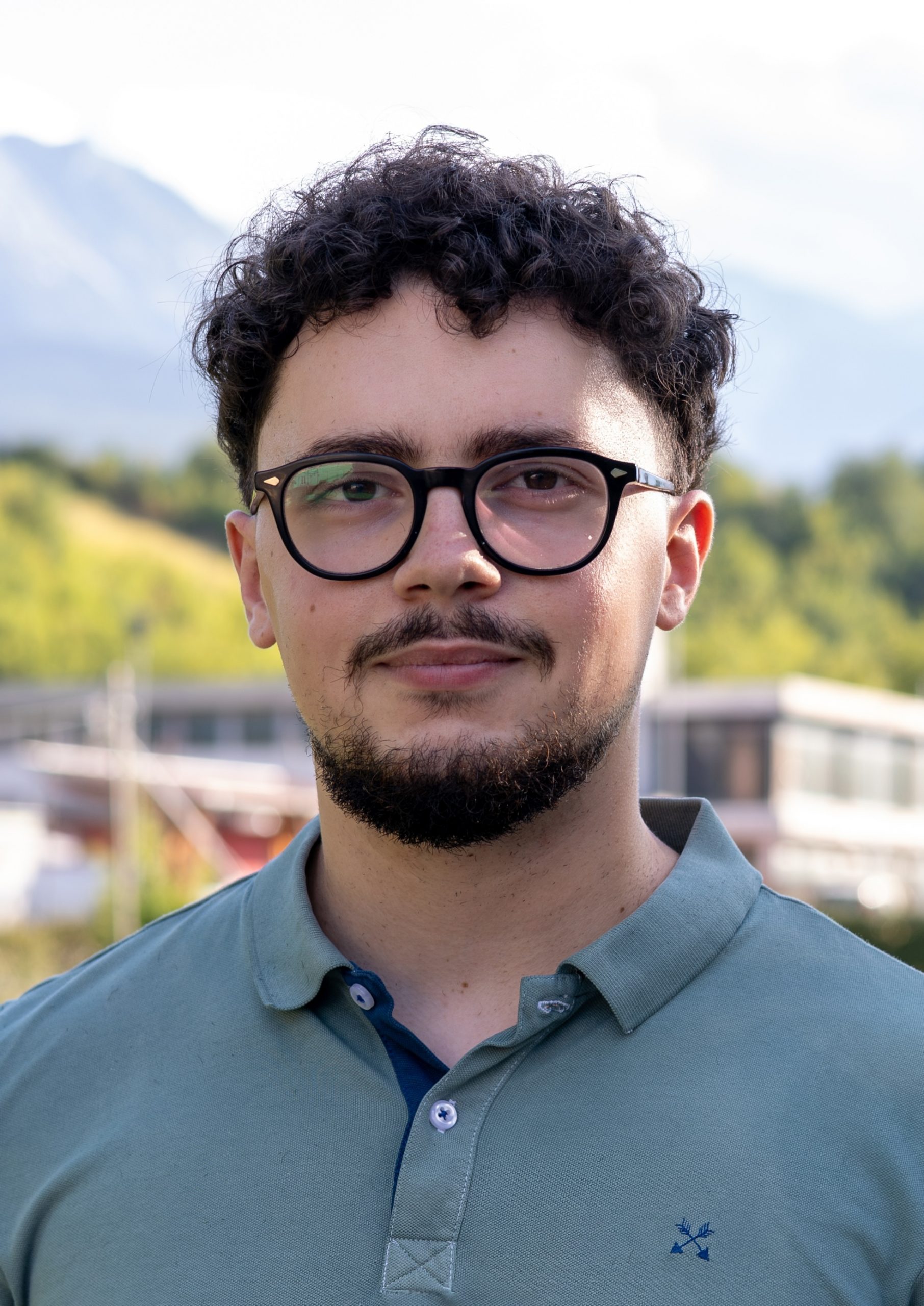 Jonathan Di Pietro
insert title here
Since 2026
Click for bio ↻
Former members
 Rica Garcia
MSc (2021-2023)
Click for bio ↻


 Dr Marina Díaz
Visiting researcher · 2024
Click for bio ↻
Summer students
- 2026 Sid Surya – University of Manchester
- 2025 Evan Brunton – University of Manchester
- 2022 James O’Brien and Matas Misevicius – Trinity College Dublin
- 2021 Diana Bura and Daniel Graczyk – Trinity College Dublin
Gallery
 Group Drinks July 17th 2026
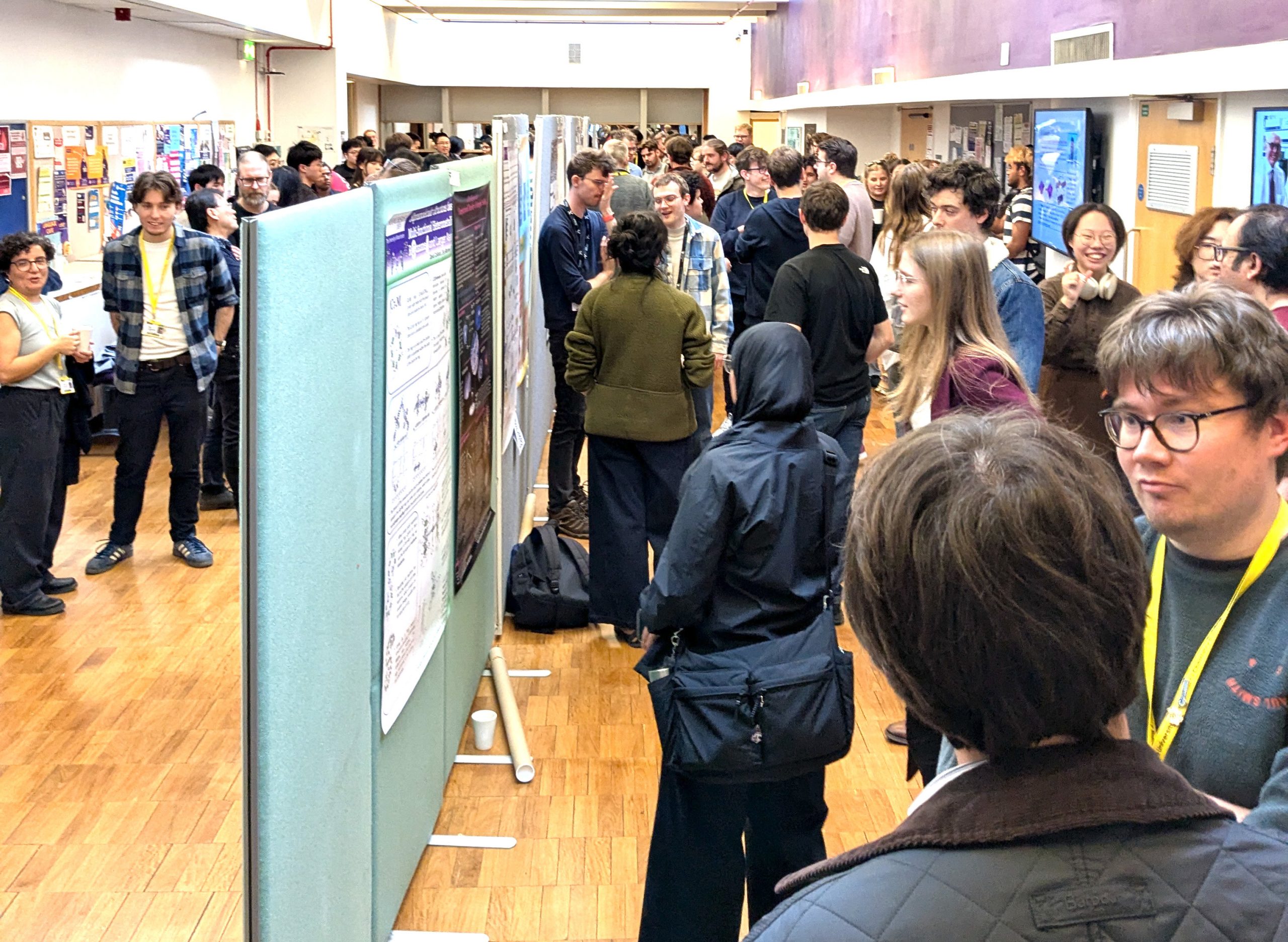 Research Open Day October 23rd 2025
 PhD VIVA 8th feb 2024
 PhD VIVA 8th feb 2024
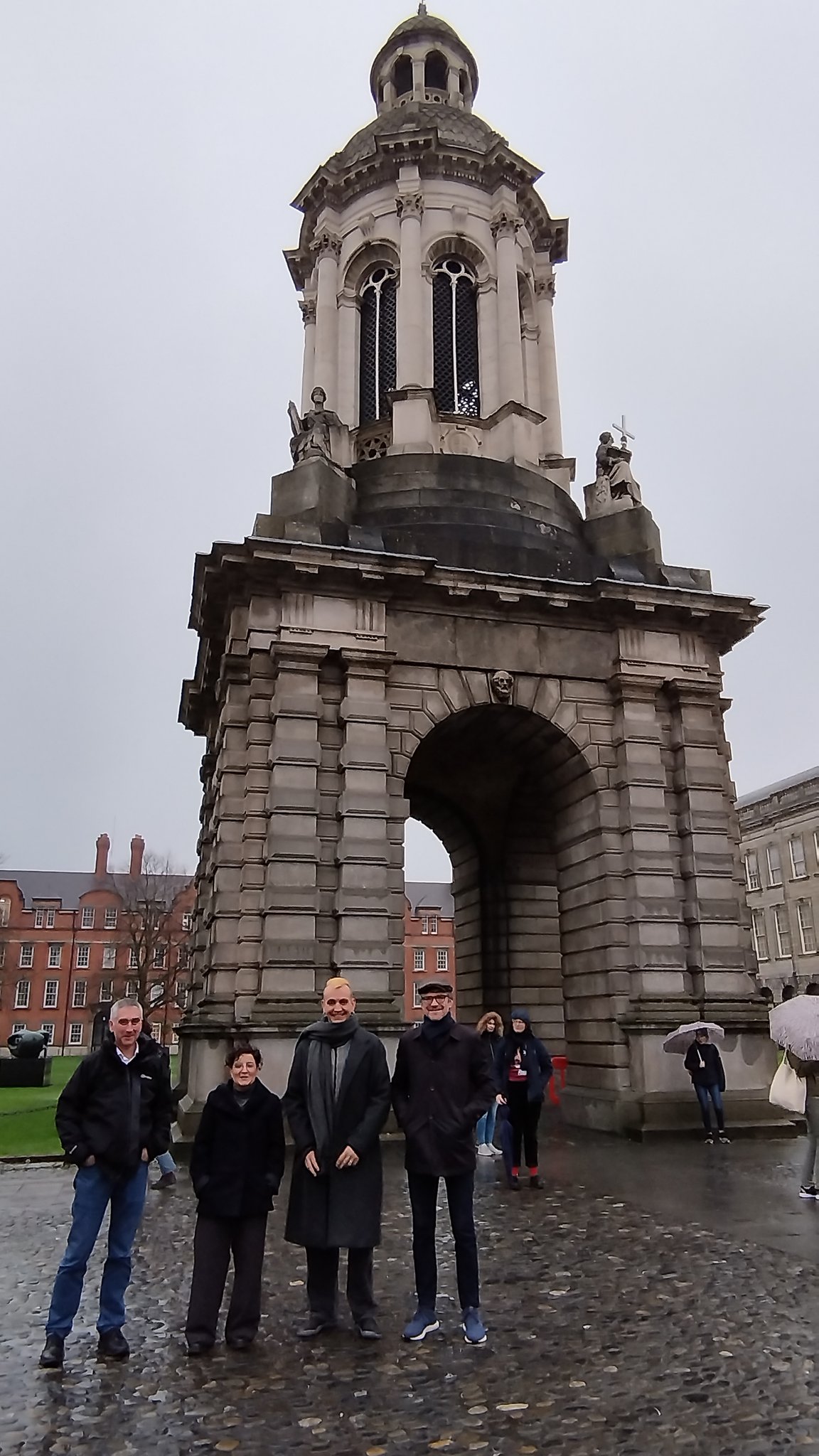 PhD VIVA 8th feb 2024
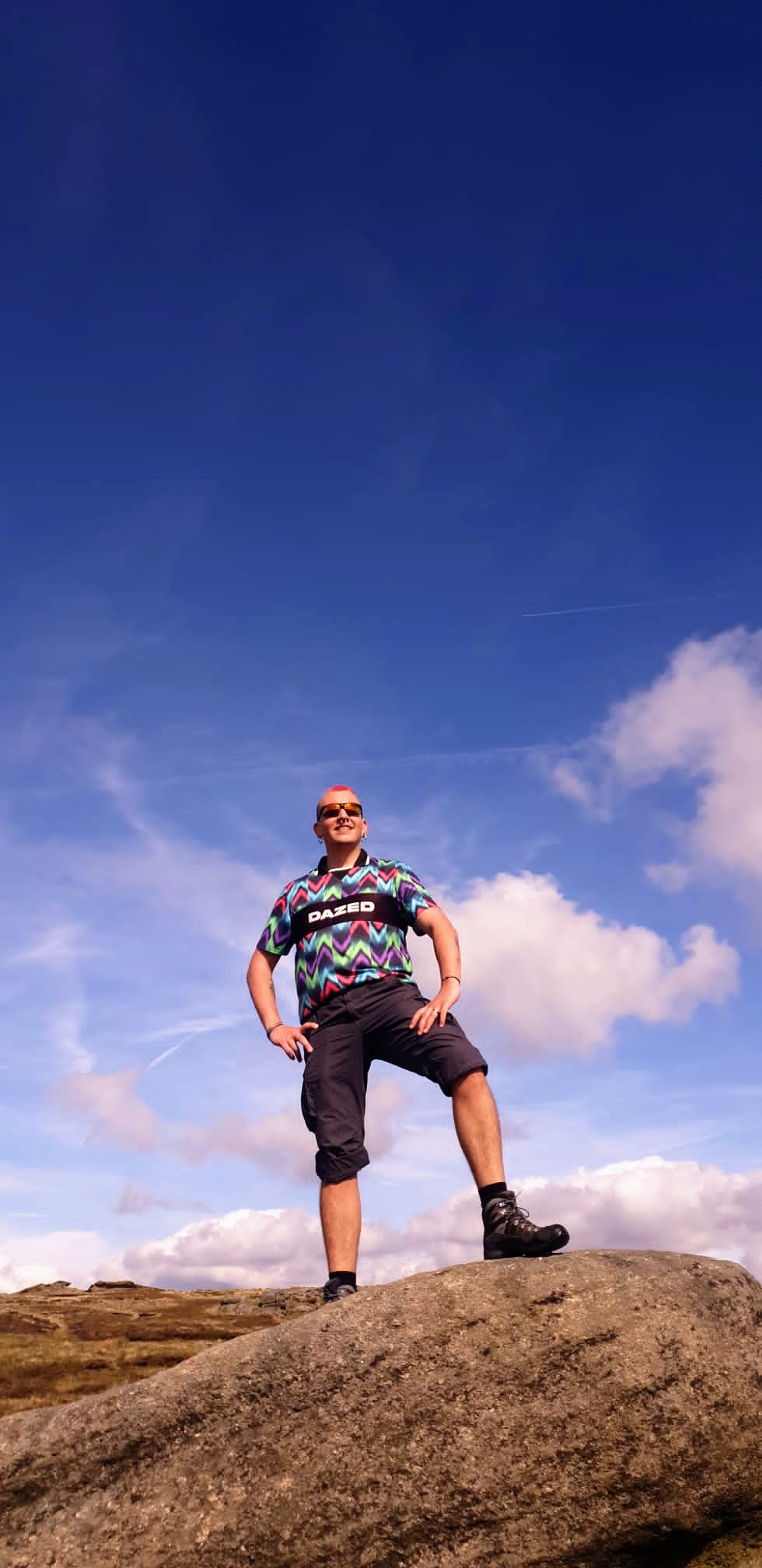 IMG-SEP – 2023 HIKING EDALE-WA0058
 SEP – 2023 HIKING EDALE
 SEP – 2023 HIKING EDALE
 SEP – 2023 HIKING EDALE
 GroupPic
 Manchester Nov 2023
 Manchester Nov 2023
 WATOC 2022 VANCOUVER
 WATOC 2022 VANCOUVER
 Manchester Nov 2023
 WATOC 2022 VANCOUVER
 ESPA 2022 – VIGO
 ESPA 2022 – Vigo
 DU Werner Chemical Society – Halloween Party – 2022
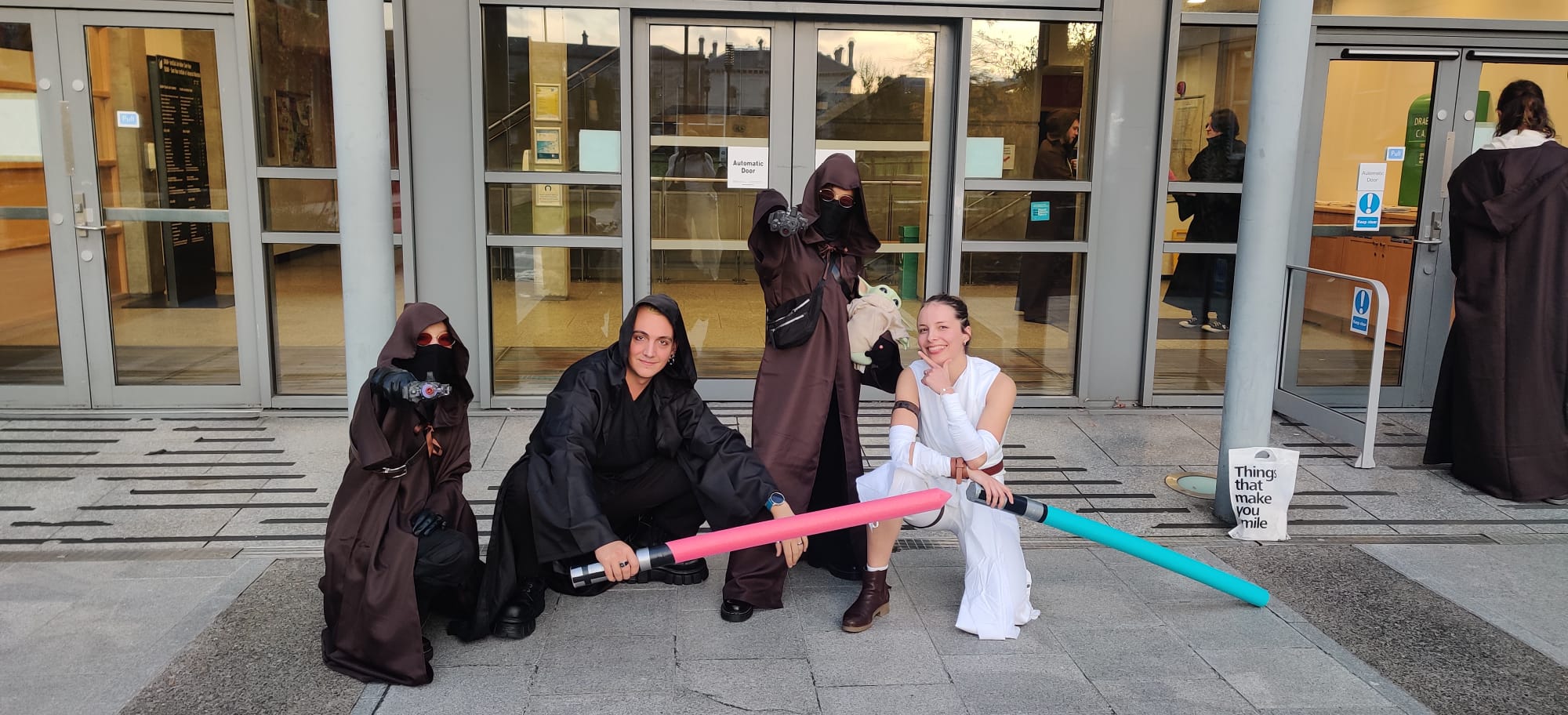 DU Werner Chemical Society – Halloween Party – 2022
 DU Werner Chemical Society – Halloween Party – 2022
 Group Pic – Attempt 03Trying to get a professional group pic – Attempt 03
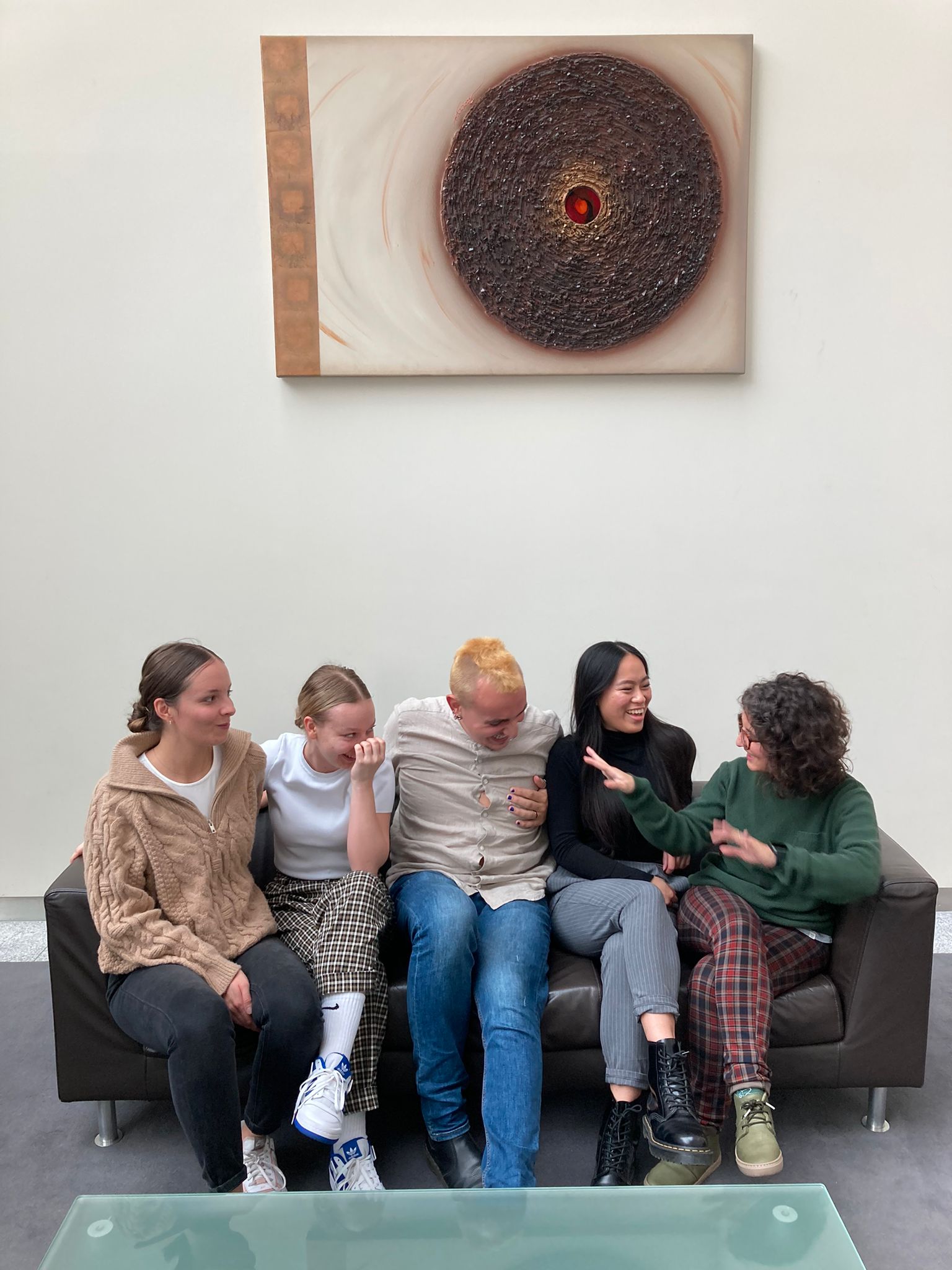 Group Pic – Attempt 02Trying to get a professional group pic – Attempt 02
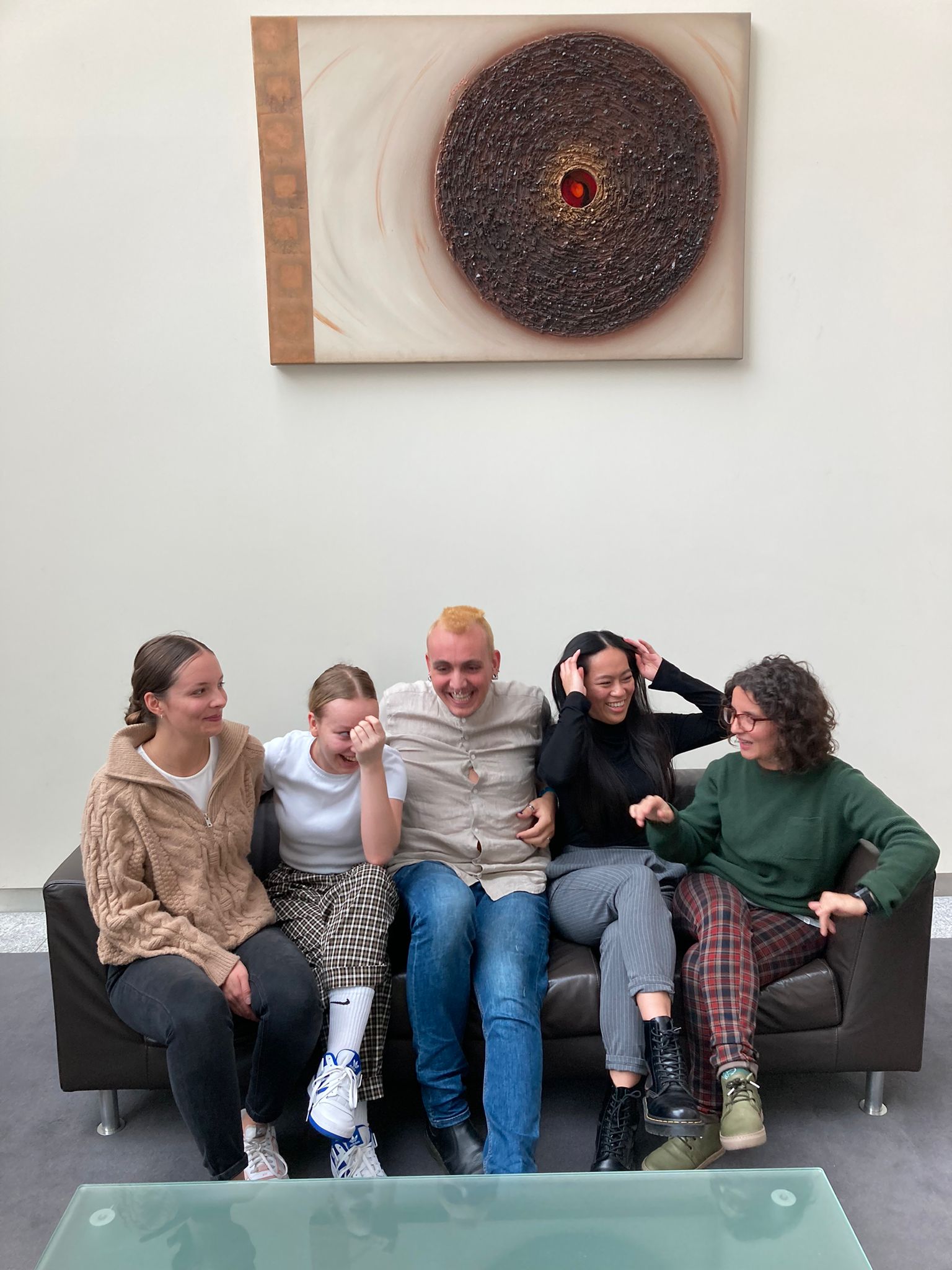 Group Pic- Attempt 01Trying to get a professional group pic – Attempt 01
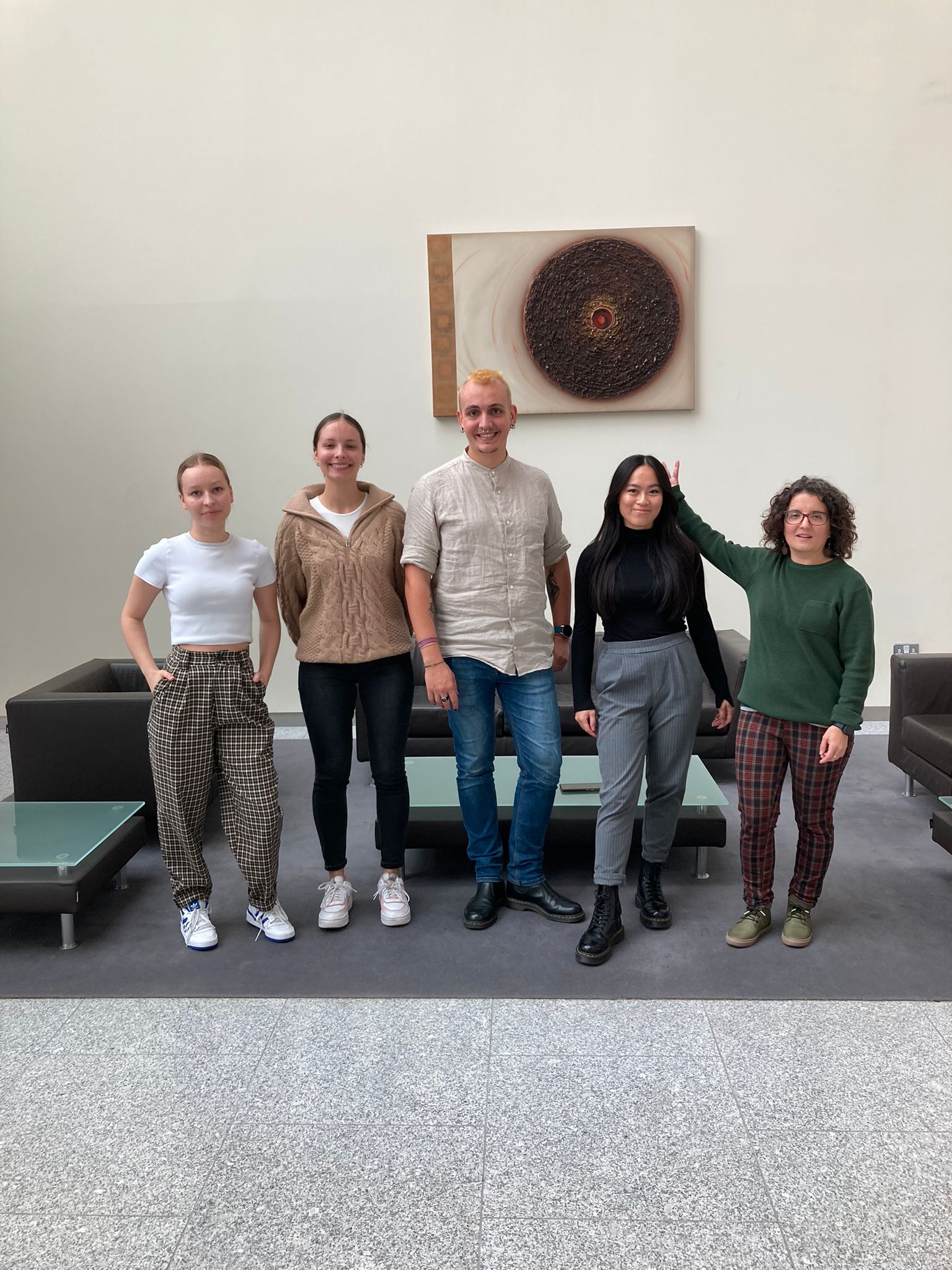 Group Pic Attempt 04Trying to get a professional group pic – Attempt 04
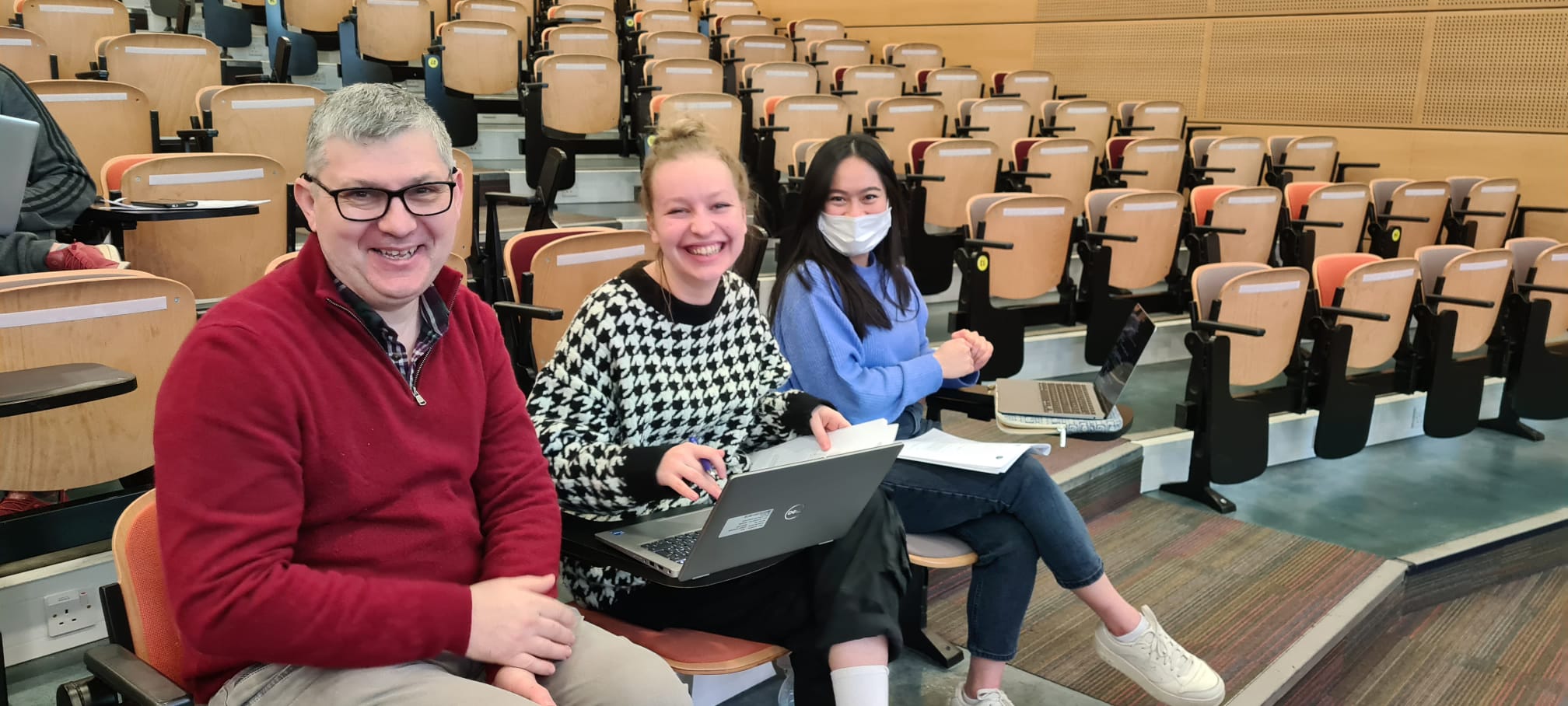 MARCH 2022 – WORKSHOP ON THE APPLICATION OF THE IGM APPROACH TO COVALENT BONDING AND NON-COVALENT INTERACTIONS IN CHEMISTRY – PROF. ERIC HENON
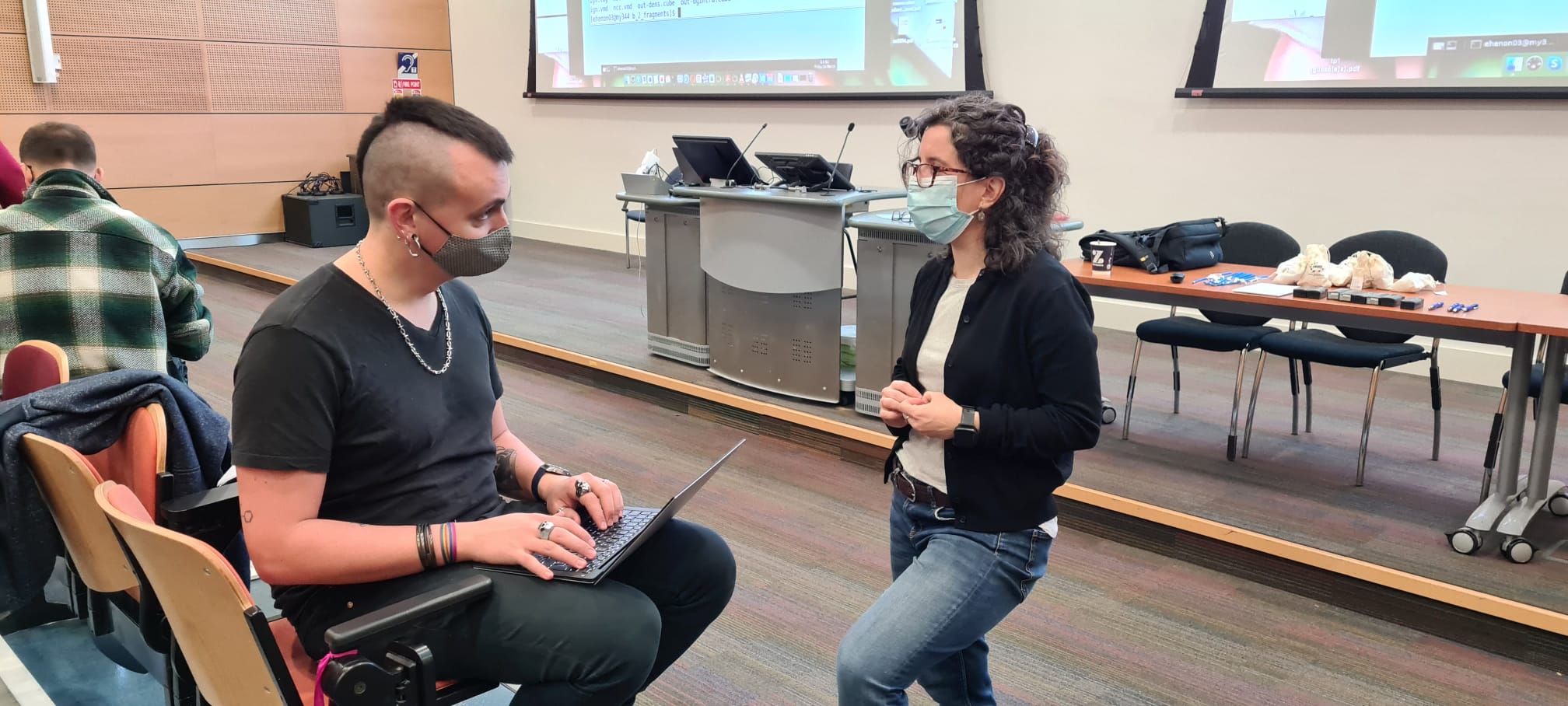 MARCH 2022 – WORKSHOP ON THE APPLICATION OF THE IGM APPROACH TO COVALENT BONDING AND NON-COVALENT INTERACTIONS IN CHEMISTRY – PROF. ERIC HENON
 Trying to get a professional group pic
 March 2022 – Workshop on the Application of the IGM approach to covalent bonding and non-covalent interactions in Chemistry – Prof. Eric Henon
 TCD CHEMISTRY OUTREACH SYMPOSIUM
 JUNE 2021 – FAMILY-GROUP HIKE WITH GARCIA-MELCHOR LAB (CCEM GROUP). KILLINEY HILL, DALKEY
 OCTOBER 2021 – KEELY CUP
 NOVEMBER 2021 – GROUP LUNCH
Join us

We are a friendly, fast-growing group constantly looking for talented and enthusiastic students to join our team.
- Undergraduate research projects
- Summer placements
- Research visits
- PhD positions
- Postdoctoral positions
Our group researches computational organic chemistry, with projects involving (but not limited to) noncovalent-interactions-based organocatalysis, development of machine-learned models for catalyst design, as well as providing mechanistic insights for a variety of reaction types.
Positions
Open PhD studentship – Computational design of sigma-hole organocatalysts
A funded PhD studentship (School of Natural Sciences scholarship) starting in September 2027, supervised by Dr Cristina Trujillo and Dr Michael James. The project uses quantum chemistry to understand and design catalysts that work through σ-hole interactions: halogen, chalcogen and pnictogen bonds.
You will study how catalyst structure, electronic properties and non-covalent interactions control activity and selectivity, through reaction mechanism and conformational studies and modern analysis of non-covalent interactions. You will then turn these insights into design principles to propose and prioritise new catalysts, working with experimental collaborators who test the most promising candidates.
Training covers quantum chemistry, mechanism analysis, conformational sampling, high-performance computing and scientific communication. The funding covers tuition fees, a stipend at the UKRI rate and a research training grant for the full 3.5 years.
Open PDRA fellowship – Marie Skłodowska-Curie Actions
Open funding call available for applicants. People interested with a strong CV and background on our research (computational chemistry and/or machine learning) please get in contact through email.